

Bluff Catching in Poker: When to Call With a Medium Hand
A bluff catcher beats only bluffs. How to decide river calls with pot odds, blockers and opponent tendencies — and the hands that make the best bluff catchers.
Thoughts on the game, study tips and what’s new at PokerLevelUp.
A bluff catcher beats only bluffs. How to decide river calls with pot odds, blockers and opponent tendencies — and the hands that make the best bluff catchers.
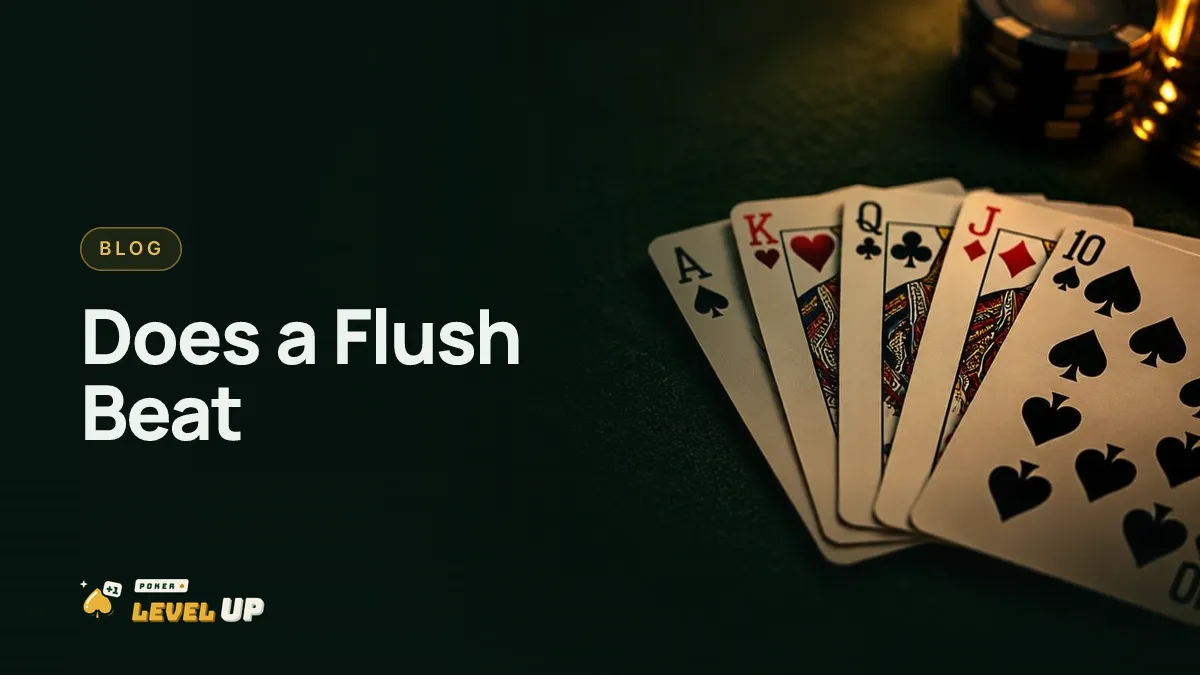
A flush beats a straight in Texas Hold'em and every standard poker game, because it's rarer. The odds behind the ranking and how to settle flush vs straight hands.

bb/100 measures how many big blinds you win per 100 hands. What counts as a good win rate at each stake, how to calculate yours and how many hands you need.

Ready-to-use blind structures for home poker tournaments of two, three and four hours, plus how to pick blinds for a home cash game.

The bankroll you need for NL10 ($0.05/$0.10) depends on your win rate. Buy-in tables for a 5% and 1% risk of ruin, and when to move up or down.

Pocket kings are the second-best starting hand. How to play KK preflop, when (almost never) to fold it, and what to do when an ace lands on the flop.

Implied odds count the chips you'll win on later streets when your draw hits. The formula, a worked example, reverse implied odds and when they apply.
Yes, check-raising is legal in almost every poker game, casino and tournament. Where the old ban came from, the home-game exception and how to do it right.

The kicker is the highest unpaired card that breaks ties between equal hands. When it plays, when it doesn't, and worked examples for pairs, two pair and trips.

Pot-Limit Omaha vs Texas Hold'em: four hole cards, the exactly-two rule, pot-limit betting, closer equities and bigger swings. What changes and how to adjust.

Standard poker chip colours and values in casinos, plus how to assign chip values and split a chip set for a home cash game or tournament.

When two poker hands tie, the pot is split. How to tell a real tie from a kicker win, what happens when the board plays, and who gets the odd chip.

A string bet is putting chips in with more than one forward motion without announcing a raise. Here's the rule, the oversized-chip rule and how to bet cleanly.

Only three hands beat a full house: four of a kind, a straight flush and a royal flush. Plus how to settle full house vs full house and how often each hand appears.
A double barrel is a second bet on the turn after a flop c-bet. Which turn cards to barrel, which hands to bet with, and when to give up and check.

Ace-king misses the flop two times in three. When to c-bet, when to check, how much equity you really have and when to let it go — with exact numbers.

Exact odds of flopping a set, a flush, a straight, two pair or a draw in Texas Hold'em — and what those numbers mean for which hands you play.

Button vs big blind with ace-queen on a queen-high dry board. Why a small c-bet works, how to size the turn and what to do on the river.

Everything you need to run a home poker night: chip values, starting stacks, a tested blind structure, payouts, cash-game setup and house rules.
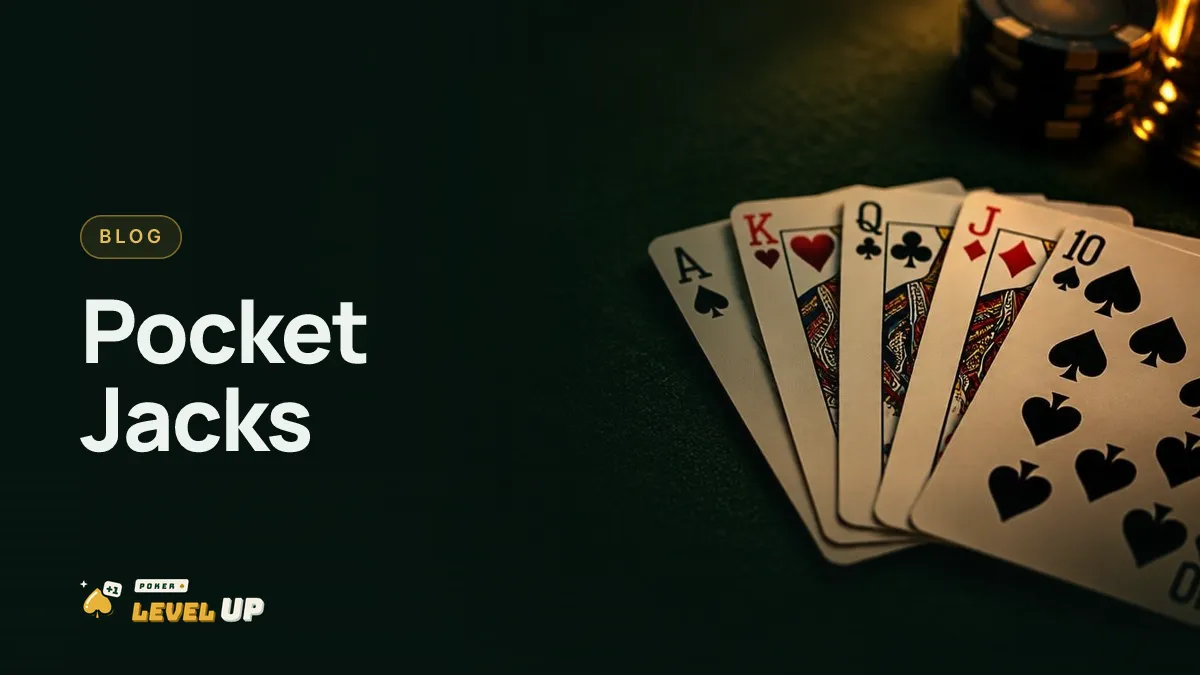
Pocket jacks are the fourth-best starting hand but one of the hardest to play. How to play JJ preflop, against 3-bets and 4-bets, and on flops with overcards.

Coin flips, dominated hands and pair-over-pair: exact all-in equities for the preflop matchups that decide most big pots in Hold'em.

Small pairs flop a set 11.8% of the time. The maths of set mining, the stack depth you need, when it works and when to fold — with worked examples.

What to log after every session, how to read your hourly rate and ROI, and why a single night tells you almost nothing about your game.
How opening ranges grow from under the gun to the button in 6-max, what gets added at each seat, why the small blind is a special case and how to adjust.

A practical guide to using the odds calculator, pot odds calculator and preflop charts as study tools — with exercises you can try in ten minutes.

Three-handed with money on the line and someone suggests a deal. How chip chops and ICM chops work, worked examples, and why the chip leader should be careful.
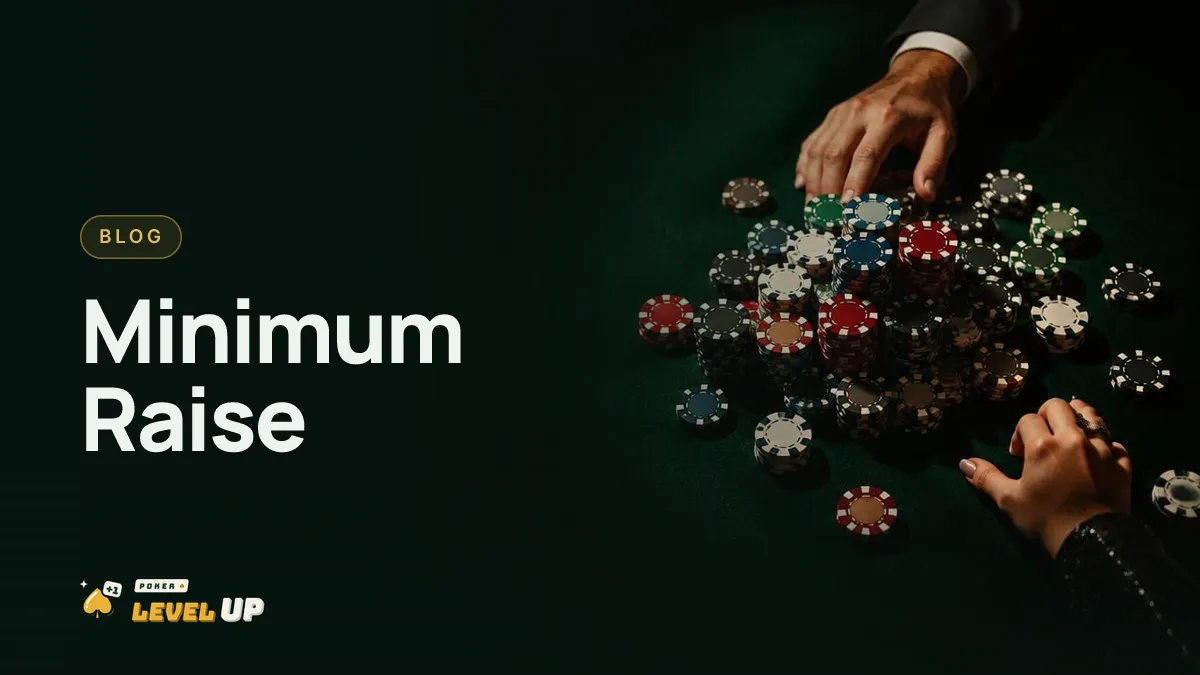
How much you have to raise in No-Limit, what happens with a short all-in, and the string-bet and oversized-chip rules that trip up new players.

The five most common leaks we see in new players' games — from limping to calling too much — and the simple fixes that make an immediate difference.

Exact odds of hitting your draw on the turn, the river or by the river — for the ten out counts that come up most in Hold'em, with worked examples.
A quick way to turn your outs into a percentage at the table. How the rule of 2 and 4 works, where it goes wrong and the one-line fix.

Why we built PokerLevelUp, how the five-level learning path works, and how to get the most from the free lessons, quizzes and tools.

The showdown order depends on whether there was a bet on the river. Here's the standard rule, the all-in exception and when you can muck.

When a player is all-in for less than everyone else, the chips split into a main pot and side pots. Here's how to build them step by step.
Subscribe via RSS.